Coconut Shell Charcoal: Prices Plunge from ¥10,000 to Over ¥6,000 — A Reality Check for Many Traders
The dramatic price slump of coconut shell charcoal has become the hottest topic across the activated carbon industry lately, leaving countless market participants still reeling from the sudden shift.
Just a few months ago, the industry was buzzing with bullish sentiment everywhere."Charcoal prices are rising again!"
"Place your orders now, or they will go up another ¥500 next week!"
Back then, prices of coconut shell charcoal fluctuated almost daily. Many business owners believed the upward trend was only just beginning.
Yet in less than two months, the price of coconut shell charcoal, which once neared ¥10,000 per metric ton, has tumbled sharply to between ¥6,000 and ¥7,000 per ton. Some sellers desperate to recover funds are even offloading stocks at just over ¥6,000.
Those holding hundreds of tons in warehouses are now losing sleep over mounting losses.
What truly stings about this crash is not merely the price drop. Many have suddenly realized they were never running a genuine business — they were simply gambling on market trends.
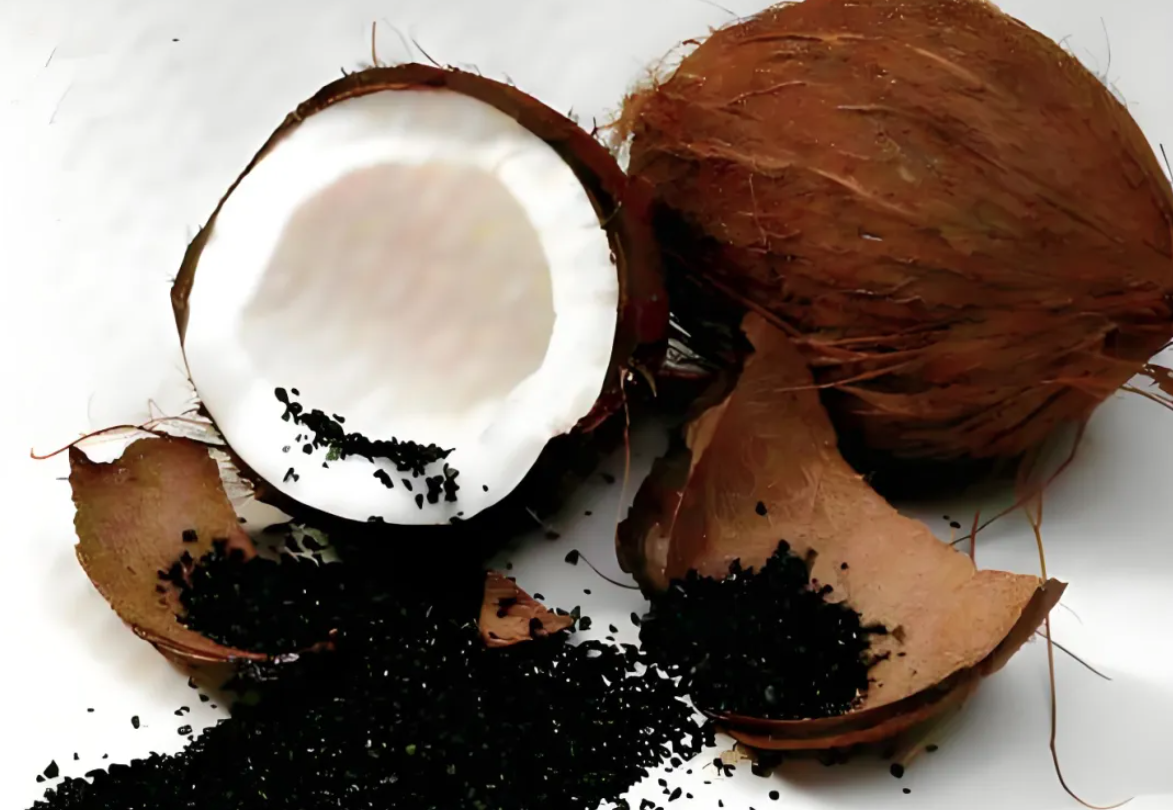
1. New Regulations on Hazardous Chemicals Fuel Market Panic
Earlier this year, coconut shell charcoal was officially classified as a hazardous chemical, sending shockwaves through the entire sector.
Previously, transporting coconut shell charcoal from Southeast Asia was a relatively straightforward process. The new rules, however, brought sweeping changes:
Secured bank loans
Borrowed from private lenders
Pledged letters of credit to fund inventory
Filled warehouses to full capacity
Some even placed new orders before their previous shipments were sold out. They were no longer engaged in regular trading, but effectively speculating on charcoal like futures — forgetting that coconut shell charcoal is nowhere near as valuable or stable as gold.
2. Excessive Profits Clouded Market Judgment
Admittedly, many players in the coconut shell charcoal trade reaped handsome profits in past years. During market booms, some traders easily earned over ¥1,000 per ton of goods, and a few even made millions annually purely from reselling stocks.
Easy money led many to take windfall gains for granted. When prices climbed above ¥10,000 per ton, danger loomed large. A flood of speculators flocked into the market: newcomers, cross-industry investors, coal dealers, chemical producers, and even people with no prior knowledge of activated carbon. Instead of seeing risks, they only envisioned greater gains, betting that another ¥2,000 price hike would make them rich, and thus began hoarding goods on a massive scale.
3. Leveraged Stockpiling: A Fatal Mistake
The biggest pitfall for many business owners this year was not overstock itself, but leveraged stockpiling. Convinced that prices would keep soaring, they took extreme measures:
<ul list-paddingleft-2">
Secured bank loans
Borrowed from private lenders
Pledged letters of credit to fund inventory
Filled warehouses to full capacity
Some even placed new orders before their previous shipments were sold out. They were no longer engaged in regular trading, but effectively speculating on charcoal like futures — forgetting that coconut shell charcoal is nowhere near as valuable or stable as gold.

4. China: The World’s Largest Consumer Market for Charcoal
A key fact overlooked by many is that China is the world’s primary consumer of coconut shell charcoal. Boasting a complete industrial chain for coconut shell activated carbon, China processes and consumes the bulk of such products globally.
Most Southeast Asian countries mainly produce raw charcoal, with limited domestic consumption capacity. Once local sales stall in these regions, excess stocks inevitably flow to the only major market: China.
5. Middle East Conflict: The Final Straw for the Market
The ongoing conflict in the Middle East delivered the final blow to the struggling market. A large portion of coconut shell charcoal exported from Southeast Asia is used to produce hookah charcoal for the Middle East, a market renowned for high profit margins, large consumption volume and stable long-term demand.
The outbreak of war triggered a sharp decline in orders, disrupted logistics and brought consumption to a standstill. With export channels for hookah charcoal cut off, inventory levels in Southeast Asia surged rapidly.
Caught between tightened maritime regulations and vanishing Middle East orders, massive volumes of charcoal were dumped into the Chinese market. While domestic traders clung to the illusion of continuous price growth, a disastrous scenario unfolded: overseas stocks poured in relentlessly, and domestic speculators kept buying. Those who accumulated the largest inventories now face the heaviest losses.
6. Why Did Prices Collapse So Drastically?
Many are still puzzled by the sharp reversal after the relentless rally. The explanation is simple: during the bull run, everyone focused solely on positive news and ignored potential risks.
The industry repeatedly cited new hazardous goods rules, rising shipping fees, raw material shortages and tight supply from Southeast Asia to predict further price hikes, while turning a blind eye to overstock in Southeast Asia, actual consumption capacity in China and the sustainability of Middle Eastern demand.
Once the supply-demand balance flipped, prices collapsed in a free fall. The more frenzied the rally, the more severe the market slump.
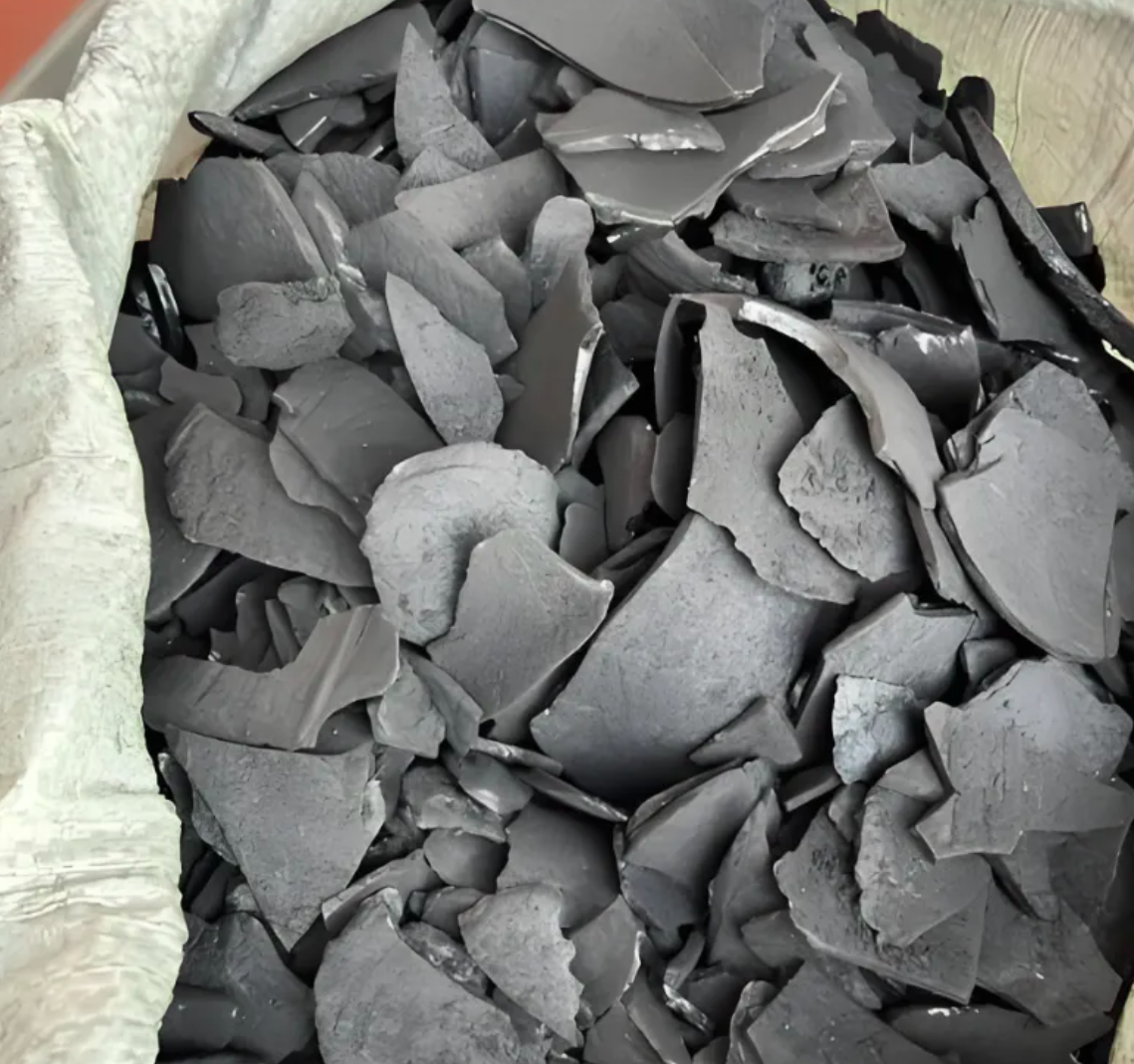
7. Traders Bear the Brunt of the Downturn
Pure traders are suffering the most in this market correction. Manufacturers can still consume raw materials gradually, maintain production and fulfill customer orders. In contrast, traders are trapped with stagnant inventory amid daily price cuts — from ¥7,000 to ¥6,800, then down to ¥6,500 per ton.
They face a dilemma: holding onto stocks risks further losses, while selling means accepting painful deficits. For most traders, the priority is no longer making profits, but minimizing losses.
8. Never Mistake Market Booms for Personal Competence
A prevalent phenomenon in the industry is that many people attribute profits from favorable market conditions to their own capability. A booming market makes everyone look like an expert, yet real strength is tested amid downturns.
When the market turns tough, core competitiveness lies in sufficient cash flow, scientific inventory management, strong risk awareness, stable customer resources and reliable product quality. This year’s price crash has delivered a profound lesson to the entire industry: stockpiling for quick profits is never a sustainable business model.
9. Will Prices Keep Falling?
No one can make a definitive prediction, as multiple factors will continue to influence market trends: the situation in the Middle East, maritime policies, inventory levels in Southeast Asia, domestic demand, activated carbon exports, exchange rate fluctuations and environmental regulations.
One trend is clear, however: the era of exorbitant profits for coconut shell charcoal has essentially ended, and the industry is heading back to rational development. The days of making easy money simply by hoarding goods are gone.
In the long run, the survivors will be enterprises with stable client bases, prudent inventory control, a rational attitude toward market fluctuations and solid expertise in products and the marketplace. Ultimately, sustained success relies on sound operational capabilities, not blind speculation.
This drastic price crash of coconut shell charcoal echoes an old saying: When everyone believes prices will keep rising, danger is already looming.
Many thought they were making profits through their own wisdom, only to realize they were merely riding a temporary wave. When the wind dies down, it becomes clear who has been swimming naked all along.



 Previous: None